

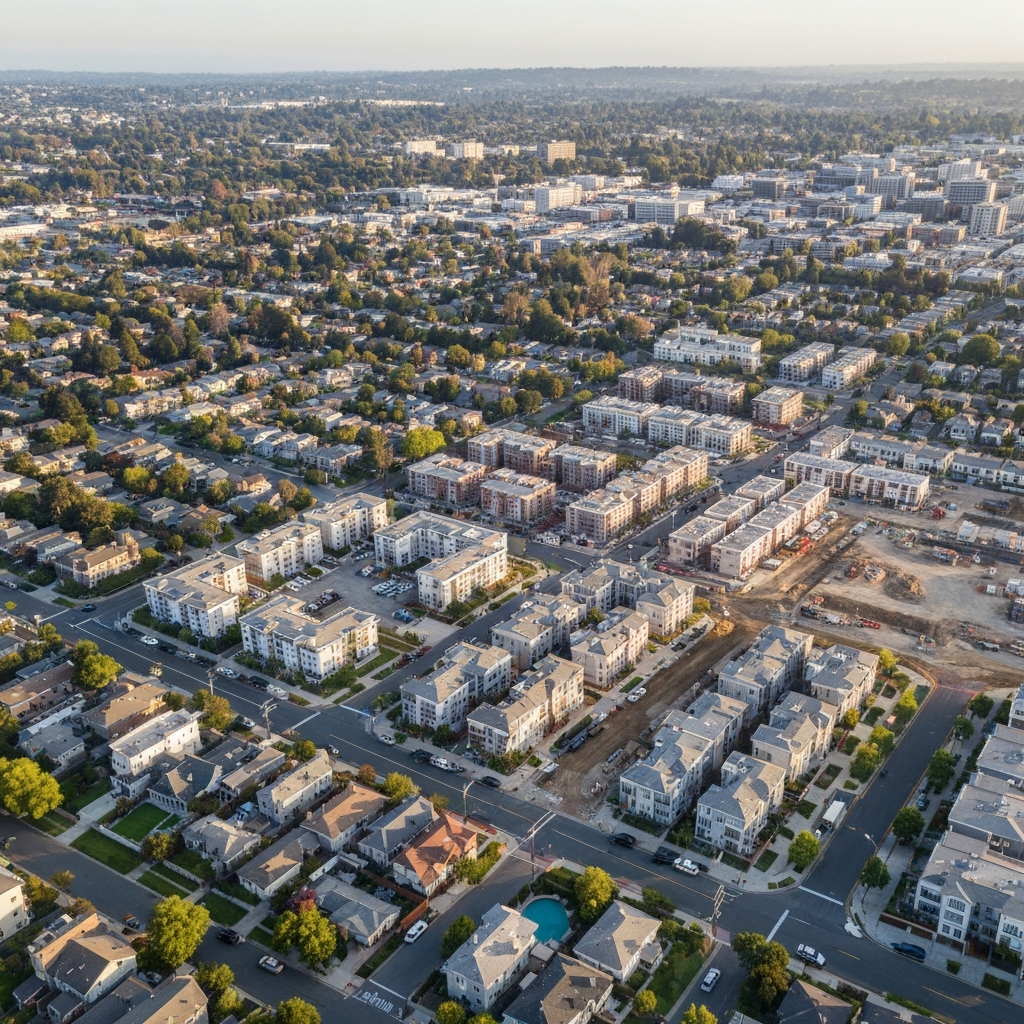
Richmond, California, is experiencing notable shifts in its housing market, characterized by evolving home prices, rental trends, and significant development projects. Understanding these dynamics is crucial for residents and potential homebuyers navigating the local real estate landscape.
Current Housing Market Trends
As of March 2026, the median sale price for homes in Richmond stood at $650,000, reflecting stability compared to the previous year. Homes typically receive multiple offers and sell within approximately 34 days, indicating a competitive market. However, the median sale price per square foot has decreased by 5.4% year-over-year, suggesting nuanced changes in property valuations. Source
Rental Market Dynamics
Contrary to national trends of declining rents, Richmond’s rental market has seen a 1.5% year-over-year increase in median rent as of March 2026. This rise is partly attributed to a surge in luxury apartment constructions, which have nearly tripled the number of units priced at $2,000 or more per month over the past decade. Consequently, renting in Richmond now costs approximately 25% more than pre-pandemic levels. Source
Development Projects and Housing Initiatives
To address housing needs, Richmond has embarked on several development projects:
Heritage Point Affordable Housing
Located in Richmond, Heritage Point is a four-story, 42-unit affordable housing development. The project includes a mix of one, two, and three-bedroom apartments, along with amenities such as a community room and urban gardening spaces. This initiative aims to provide quality housing for low-income residents. Source
Nystrom Village Redevelopment
The Nystrom Village project involves the redevelopment of a historic public housing site into a 403-unit mixed-income community. The plan includes 109 public housing replacement units, 106 large-family affordable units, 146 senior and workforce housing units, and 42 for-sale townhomes. This comprehensive approach seeks to create a vibrant, inclusive neighborhood while preserving the site’s historical significance. Source
City Initiatives and Future Outlook
The City of Richmond is actively implementing its 6th Housing Element Update (2023–2031), aiming to plan for 3,614 new housing units during this cycle. This effort underscores the city’s commitment to addressing housing shortages and promoting sustainable growth. Source
In summary, Richmond’s housing market is characterized by competitive home sales, rising rental costs, and proactive development projects. These factors collectively shape the city’s real estate environment, offering both challenges and opportunities for residents and investors alike.