

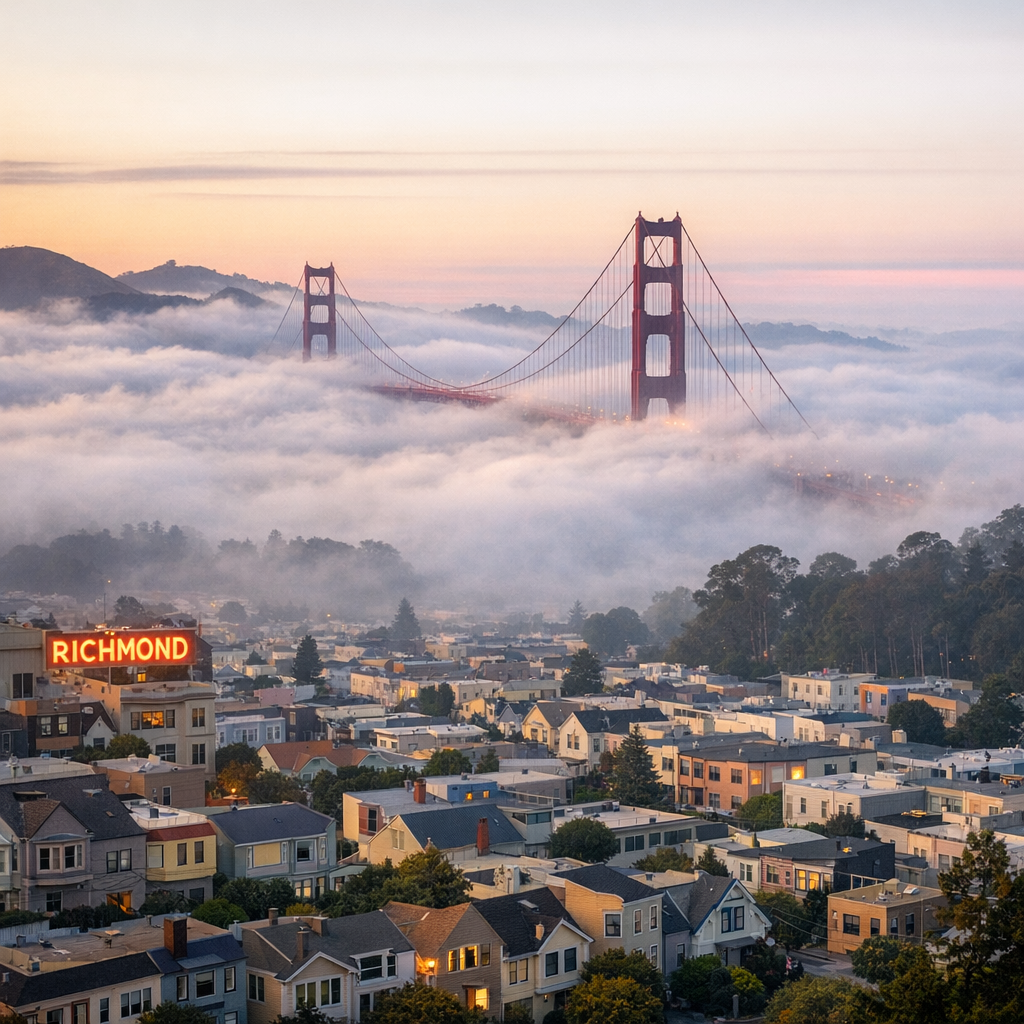
Hi, I’m Christopher Nguyen. If you call Richmond home, you know our weather doesn’t swing wildly, but there’s more to our climate story than mild springs and foggy mornings. Here’s an overview of what shapes Richmond’s environment, what it means for residents now, and why it matters in the years ahead.
Our Climate in Context
Richmond enjoys what’s classified as a warm-summer Mediterranean climate. Our summers are relatively dry and pleasant; winters bring most of our rain, especially between October and April. The average yearly high hovers in the mid-60s°F to low 70s°F, and lows rarely fall below the mid-40s°F. One result: we get little frost and virtually no snow year to year.
Microclimates & Local Variations
Richmond is not monolithic when it comes to weather. Proximity to the Bay gives Point Richmond and other bayside areas cooler summer temperatures and frequent fog, while higher inland or hilltop areas warm up more during summer heat. Winds pick up especially in summer; south- and west-winds off the Bay can bring cooling, but the same winds trap smoke and pollution when air quality is poor.
Environmental Challenges & Air Quality
Many Richmond residents live near heavy industry—refineries, chemical plants, port operations, and major roadways. These are major sources of fine particulate matter (PM2.5) and other pollutants. One recent study found that over half of locally emitted PM2.5 comes from the Chevron refinery alone.
In a preliminary health risk assessment, the Air District estimated a lifetime cancer risk for some neighborhoods near the refinery at 37 in a million—well above the regulatory threshold. Short-term exposures also showed risks exceeding safe levels. That report has triggered public comment and pressure for stricter mitigation.
Seasonal Shifts & What’s Ahead
While our climate has been relatively stable for decades, there are subtle changes underway. Fall temperatures in Richmond have been rising steadily, which affects fire risk, air quality, and even energy usage. Meanwhile, California is under a strong El Niño advisory through early 2027, raising the likelihood of wetter winters and stronger storms.
Also concerning are legacy pollution sites. Some neighborhoods are dealing with chemicals in soil and groundwater from past industrial activities—something that can take years to clean up properly and affect health in the meantime.
What You Can Do
Even with large-scale challenges, there are local steps that make a difference:
- Pay attention to air quality alerts. If you live near refinery operations or busy freeways, limit outdoor activity on poor air days.
- If possible, use air filters indoors, keep windows closed during smoke or heavy pollutant events.
- Support neighborhood or city initiatives for stricter emissions controls, and let elected officials know air quality is a priority.
- Stay prepared for seasonal extremes: winter storms, heavier rainfall, or strong winds—especially when local infrastructure could be affected.
Richmond’s weather may not make national headlines, but the way our climate, environment, and industry intersect deeply affects daily life. By staying informed and involved, we help guide how our city responds—as individuals and with our community.